Climate, Diet, & Human Evolution
With a focus on the human microbiome and digestive enzymes.

Here at Gardening & Foraging for Life, we are mostly about, well, gardening and foraging. However, we also need to digest the food we grow and forage, so we are veering off our main topics this week.
Climate & Diet are Linked in ways we might not consider.
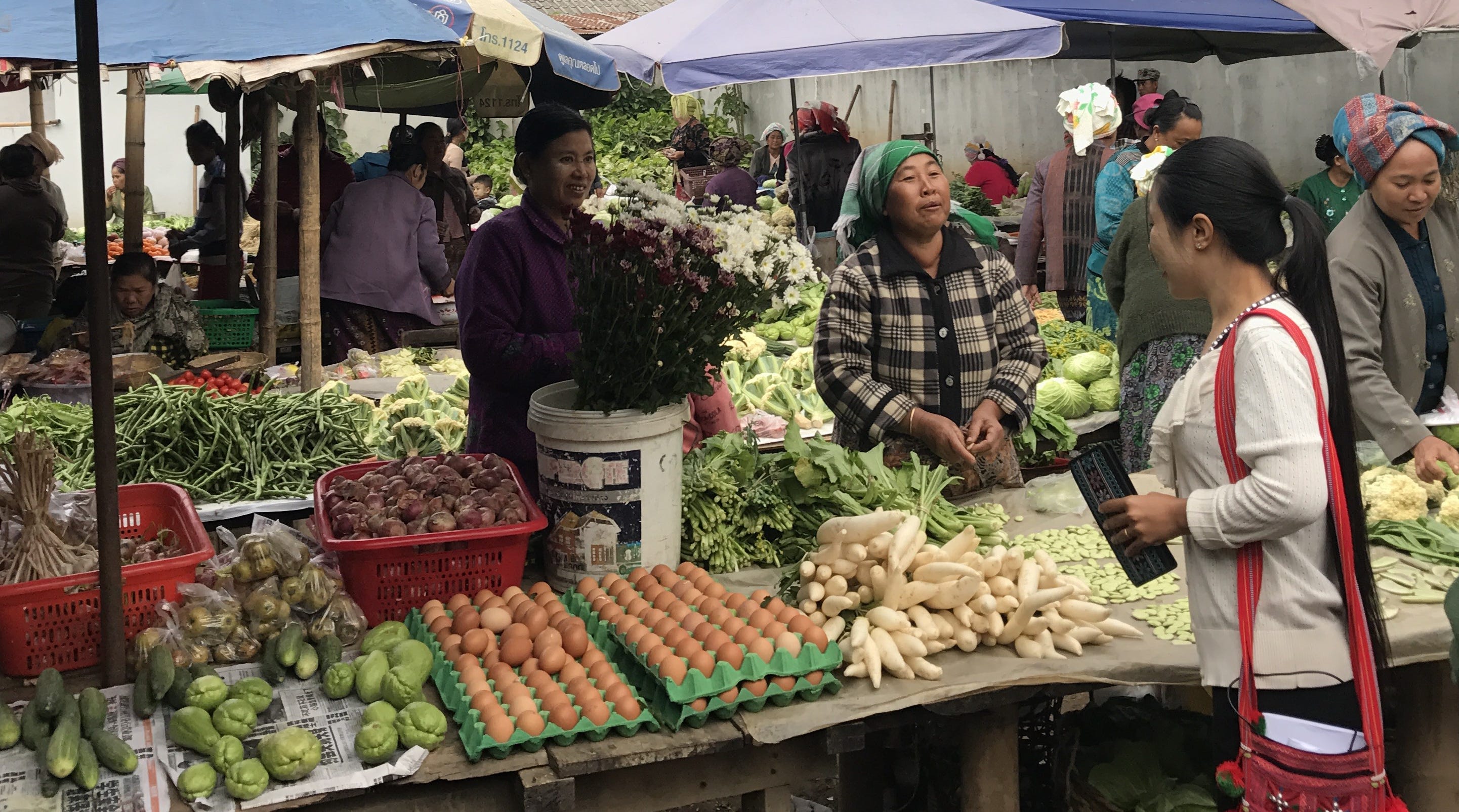

Two Great Courses Film Recommendations Coming Up
‘The Coevolution of Genes and Diet’ & ‘The Gut Microbiome’
Plus, a little personal info on healing the microbiome. But first, here’s some info on our genes:
“Food, Science, and the Human Body. Episode 25, The Coevolution of Genes and Diet.”
This first recommendation is short and sweet. The next one is longer, but that doesn’t mean this one is any less worth watching.
As it turns out, we can’t all be healthy by eating the same diet. Our ancestors, after they radiated out of Africa, lived in many different regions. And because of the varied climates in those regions, they developed different enzymes and microbiomes to digest the foods found where they lived. Some folks are biologically adapted to diets high in animal protein but not milk. Others are adapted to diets high in dairy or starchy foods. Some people have trouble digesting starch, but do fine on a diet high in fruit and meat. And some people have a limited ability to digest the proteins found in or produced by some or all animal species.
If you think about it a minute, you can probably guess which regions resulted in some of these specific adaptations. Then you can check how close your guesses are by watching the video, “Food, Science, and the Human Body. Episode 25, The Coevolution of Genes and Diet.” Check with your local library to see if they have it available as a DVD serries or for streaming. Your favorite streaming platforms may also carry it.

~ ~ ~
Now for the microbiome, including a little of my personal journey:
Food, Science, and the Human Body. Episode 27, The Gut Microbiome
This episode explains how our digestive microbiome coevolved with us over millions of years. As we, human beings, expanded our range into new regions of the world with a variety of different climates, our microbiomes evolved (just as our enzymes did) to process the foods found in those regions. People living in different climates, eating different diets, can have vastly different microbiomes.
On an individual level it is good to understand that it takes both our enzyme system and our microbiome time to adjust to dietary changes. The microbiome can potentially be more flexible than the enzyme system. Our enzyme systems are genetically encoded; while on the other hand, we can obtain new species for our microbiome through supplements or through eating fermented foods.
However, Alyssa Crittenden, the creator and presenter of this lecture series discourages the use of supplements, and strongly recommends kimchi, kombucha, and other plant-based fermented foods.
I can understand why she wants to discourage using supplements. I was recently reminded that they undergo zero purity and safety inspections here in the US. (Learn more about that here.)
However, I have found probiotic supplements and probiotic cultured dairy products to be invaluable in healing my gut after cancer, chemo, and radiation. Before all that, I made frequent large batches of probiotic fermented greens and other veggies, and ate spicy foods as well. Post cancer, chemo, and radiation—acidic foods and spicy foods are absolutely not on my happy belly list, and my ability to eat veggies was severely limited for years (if I wanted to get more than a few steps away from my bathroom).
My belly has been improving slowly and is getting pretty dang close to normal. I do attribute this to probiotic supplements, probiotic fermented dairy foods, eating more animal protein, and carefully observing what I react to in my diet and eliminating problem foods.
As a result of this healing process, I am now able to eat more veggies and fruits. Not as much as I used to be any means, but more than I have been able to for a long time. If the probiotics that are helping me are something you want to know more about, please feel free to ask in comments.
Meanwhile, it may seem counter intuitive that I am growing a garden when I can’t eat very many veggies. But I want my veggies fresh, not languishing in my fridge and becoming unappetizing before I can eat them, and I want more variety than I can get from our local stores. I garden in a shared community garden space, so other people will benefit from the abundance and variety as well. :) Being able to be more than a few steps from my bathroom and go outside and work in the garden requires, for me, the probiotic supplements and probiotic fermented dairy products. So, my advice is to find your own way, pay attention to your own body, and if what the experts are saying doesn’t work for you, take what you need and leave the rest.
Back to the film: I do find most of what professor Alyssa Crittenden has to say is very informative and interesting and it provides very good perspectives to keep in mind. It’s just her dislike of probiotic supplements and her focus on probiotic fermented veggies that I personally can’t agree with. But it might be perfect for you. I do highly recommend watching it.

Check with your local library system to see if they have Food, Science, and the Human Body available as a DVD set, or for streaming. If you scroll down on this link: The Gut Microbiome | Kanopy, you will find a button to see what your library or university offers through Kanopy. Meanwhile, your favorite streaming platform may also carry these lectures, or for a fee you can access them directly through the Great Courses Website.
~ ~ ~
Thanks for Reading! I will continue to focus on the seed packet article this week, and hopefully it will be done by next Sunday. If not, I’ll find something else in my archive or drafts to polish up for you, and keep working on the seed packet article until it’s done. :)
~ ~ ~
Please feel free to forward, share, restack, excerpt, or quote this or any of my articles or notes, as long as your post automatically includes (or you add) a link back to the original note or article. If you just want to use my sources without any of my writing, neither links nor permission is required. Do contact me about any other ways you might want to use my writing, as all other rights are currently reserved.
Text - Copyright Harvest McCampbell, 2026. Images are linked directly to their source.
Thank you for this. Growing my own food is something i want to do in the future
Love that you explored this! the biome is foundational for health- in nature, that we usually see as outside of us, and our own inner biome. We are the result of the “outer” biome!